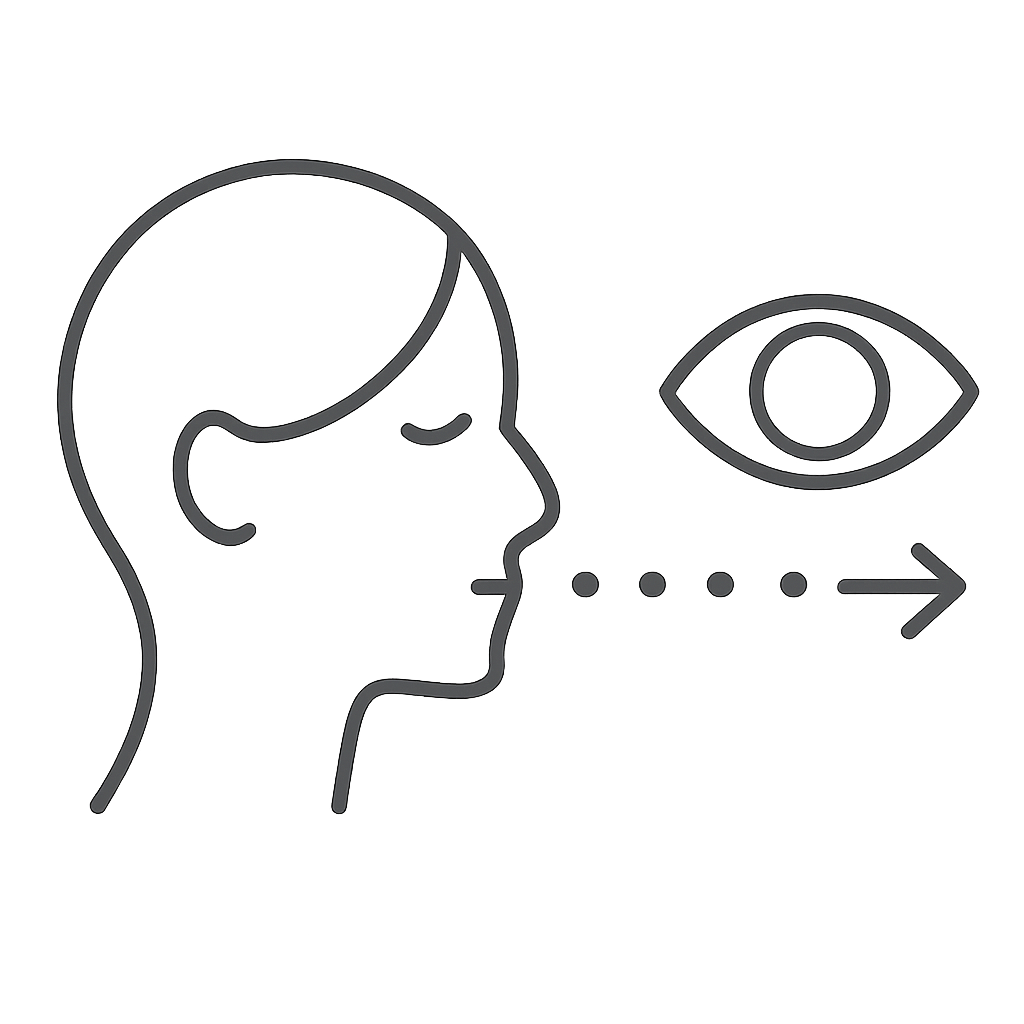

What is EMDR?
Eye Movement Desensitization and Reprocessing (EMDR) is a psychotherapy technique designed to help individuals process and heal from traumatic memories. It involves guided sessions where clients recall distressing events while engaging in bilateral stimulation, often through eye movements, sounds, or taps, to facilitate natural processing in the brain.
What is EMDR?
EMDR (Eye Movement Desensitization and Reprocessing) is a psychotherapy approach that helps individuals process traumatic memories and reduce distress. It combines gentle eye movements or other bilateral stimulation with talk therapy, allowing the brain to reframe emotional responses and integrate difficult experiences.

how EMDR works
EMDR therapy facilitates natural healing by stimulating the brain’s information processing system. During a session, clients recall distressing memories while engaging in bilateral stimulation, which appears to assist in reprocessing these memories so they become less intense and more adaptive over time.
history of EMDR
Developed in the late 1980s by psychologist Dr. Francine Shapiro, EMDR was based on her observations that eye movements can reduce the impact of disturbing memories. Over the years, research has supported its effectiveness, leading to widespread recognition within mental health communities as a valuable treatment for trauma and PTSD.
approach and principles
EMDR involves eight distinct phases, including history taking, preparation, assessment, desensitization, installation, body scan, closure, and reevaluation. Its core principle is that traumatic memories can be reprocessed safely when guided by structured, bilateral stimulation techniques.
benefits
Many clients experience rapid symptom relief after a few sessions, helping manage PTSD, anxiety, depression, and other mental health issues. EMDR is also recognized for its ability to lessen the emotional burden of past experiences, promoting resilience and emotional well-being.

considerations
While EMDR is highly effective for many, it may not be suitable for everyone. It requires a trained therapist to guide the process safely, especially when working with complex trauma. Consultation with a mental health professional can help determine if EMDR is appropriate for your needs.
 Understanding EMDR